“Coffee cultivation” search results (13600)

Technical specification for cultivation of fine coffee with small seeds
1 scope this part stipulates the technical methods of small seed coffee garden selection, planning, reclamation, seeds, seedlings, planting, soil management and coffee tree management. This part is suitable for the cultivation of small seed coffee. 2 normative citation documents the provisions of the following documents become the provisions of this part through the citation of this section. For all dated reference documents, all subsequent revisions
2014-11-21 Coffee knowledge boutique coffee small grain coffee coffee cultivation
Ethiopian coffee cultivation methods
Ethiopia has a variety of coffee cultivation methods: from wild coffee groves and semi-developed plots, to small plots of traditional farming, to modern plantations. About 50 percent of coffee is grown at altitudes of more than 1500 meters. Harrar coffee is the highest coffee grown in Ethiopia. Hara coffee can be divided into long
2016-05-24 Ethiopia coffee cultivation way find variety
The cultivated varieties of Coffee Tree: small seed and large seed
3. Cultivated varieties (1) small seed species (2) large grain species Coffea belongs to Rubiaceae, Coffea belongs to perennial evergreen shrubs or small trees, there are about 90 species. At present, there are small seed species (Arabian species), medium grain species (Gaffra species) and large grain species (Liberian species) cultivated in Hainan. (1) small seed species: also known as Arabian species, native to Ethiopia, evergreen shrubs. The plant is small, 4cm high and 5m high
2015-10-07 Coffee cultivation variety small grain large grain
Technical specification for cultivation of fine coffee based on small seed coffee
1 scope this part stipulates the technical methods of small seed coffee garden selection, planning, reclamation, seeds, seedlings, planting, soil management and coffee tree management. This part is suitable for the cultivation of small seed coffee. 2 normative citation documents the provisions of the following documents become the provisions of this part through the citation of this section. For all dated reference documents, all subsequent revisions
2014-12-29 Fine products coffee basics small grains cultivation techniques regulations scope parts stipulate
Some coffee-growing areas in Kenya will not be able to cultivate by 2050
Scientists warn that climate change will be permanent, so growers may be forced to revolutionize their farming methods, including the types of crops they grow, Kenya's Business Daily reported. Experts predict that some tea and coffee growing areas will not be able to cultivate by 2050. Experts say the dry climate will make it harder to grow in central Kenya.
2014-04-27 Kenya some coffee growing areas 2050 unable farming
The Development of Coffee cultivation in Laos
Coffee in Laos has gone through a lot of development in the past 20 years. The speed of development in the past 20 years is faster than that in the past 80 years. The coffee history of Laos can be traced back to 100 years ago. At that time, France was the colonial ruler of Vietnam, Cambodia and Laos, and they began to experiment with growing various crops in these areas. Coffee was quickly found in farmers in Vietnam and Laos.
2014-05-15 Coffee culture coffee cultivation coffee beans
The story of the four major cultivation systems of Ethiopian coffee, Shake Omar, imported coffee
Ethiopia is located between three and fourteen degrees north latitude, and the planting area of coffee trees is nearly 600000 hectares. There are two rainy seasons a year in the south and east of the country, while there is only one rainy season in the west. The distribution of the rainy season is different, so coffee is harvested in Ethiopia all the year round. Coffee grows between 550 and 2750 meters above sea level. The soils in the west and south belong to volcanic rocks and are rich in minerals.
2016-04-20 Ethiopia Coffee Big four cultivation system Shack Omar Story Import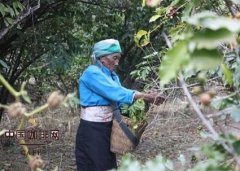
History of Coffee planting knowledge of Coffee Tree cultivation
In fact, the Arabs began to grow coffee in 525 BC, and chewing fried coffee beans became popular in the Arab region. In 890 AD, Arab merchants sold coffee beans to Yemen, and Yemenis made coffee beans into drinks for the first time. In the 15th century, coffee was introduced into Europe, Asia and soon into America. By the 18th century, tropical and subtropical regions around the world were widespread.
2015-01-31 Planting coffee history knowledge actually BC 525 Arabs.
The basic knowledge of the History of Coffee cultivation
In fact, the Arabs began to grow coffee in 525 BC, and chewing fried coffee beans became popular in the Arab region. In 890 AD, Arab merchants sold coffee beans to Yemen, and Yemenis made coffee beans into drinks for the first time. In the 15th century, coffee was introduced into Europe, Asia and soon into America. By the 18th century, tropical and subtropical regions around the world were widespread.
2015-03-20 Planting coffee history basics common sense actually 525 BC Allah.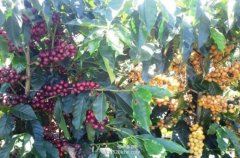
Understand the development history of coffee in China
According to historical data, Taiwan's cultivation was successful for the first time in 1884. Coffee trees were planted in China, and coffee cultivation on the continent began in Yunnan. In 1902, seeds were introduced by a French missionary named Tian in Yingong, Binchuan County, Yunnan Province. it was successfully planted in a place called Zhu Kula, which is located on the bank of the Yushan River, a tributary of the Jinsha River. The commercial cultivation of coffee in Yunnan began in 1985, but it has grown.
2014-08-21 Understanding Coffee China Development History Historical data 1884 Taiwan planting early
Mexican coffee production area with a long history of coffee cultivation
In Mexico, coffee cultivation has a long history. At the site of Cafe Clamori Farm, there is a tradition of using coffee products to make all kinds of coffee works of art (Coffee Art). Among the artworks on display on that day are traditional coffee trees, coffee pens, coffee necklace bracelets, coffee paintings and coffee cloth. These works of art are pure hands of local women.
2016-06-17 There is for a long time coffee cultivation history Mexico production areas
Cultivation method of Yega Xuefei Coffee in Ethiopia
Various forms of coffee cultivation can be found in Ethiopia: everything from wild coffee forests and semi-developed land to traditionally operated plots to modern plantations. About 50% of the coffee is grown more than 1500 meters above sea level. Harrar coffee is the highest growing area of all coffee in Ethiopia. Hara coffee can be divided into long coffee.
2016-05-31 Ethiopia Yega Sheffield coffee cultivation way find
Nestl é promotes the sustainable development of Pu'er coffee cultivation
On May 19th, another 611 Yunnan coffee farmers and coffee growing companies passed the international third-party audit and obtained the 4C (Common Code for the Coffee Community) Coffee Community General Management rules) certification, allowing them to sell coffee that meets the 4C standard.
2014-06-03 Coffee news Pu'er coffee coffee cultivation
Cultivation of coffee beans in Tanzania
Tanzanian coffee is a high-end brand coffee, which has received a great deal of attention recently. Most coffee is grown on small-scale farms and the coffee produced is mainly for export. Although the aroma of coffee is not much different from that of Kenya, a neighboring coffee producer, the production technology or raw bean processing equipment lags far behind Kenya. The high-end coffee in Tanzania, mainly in Kilima.
2016-06-06 Tanzania coffee beans mode of production cultivation coffee premium brand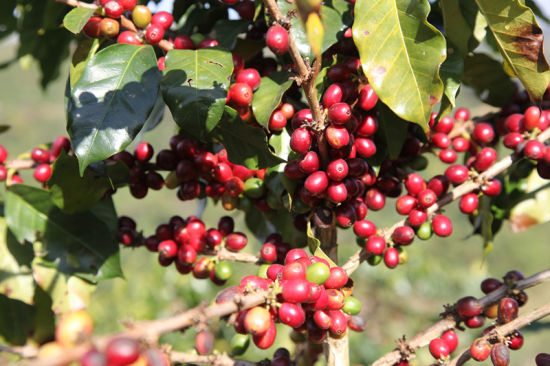
Cultivation of Cabernet Coffee and Arabica beans in Madagascar (Madagascar)
Madagascar (Madagascar) is basically a producer of Robbins coffee, but plans to increase the cultivation of Arabica beans. Since 1989, the coffee industry on the island has been privatized and many regulations have been lifted, with a total output of about 1 million bags a year. As Malagasy people like to drink coffee, the domestic consumption of coffee is very high. The country
2016-04-11 Motor Garth Madagascar Robbins Coffee Arabica
Uganda Organic Bugisu Grade: HB Cultivation Area: Ergon Region, Mbale
Uganda Organic Bugisu Country of production: Uganda Grade: HB Region of cultivation: Elgon region, Mbale Brand: Organic Bugisu Method of treatment: Wet treatment Appearance: 1.8d/300gr, 16-18SCR Variety: Unknown Note: This coffee is grown in Uganda's Mount Elgon region, at an altitude of 1600 to 1900 meters Balanced acidity and rich oil is this coffee
2016-06-07 Uganda organic Bugisu grade cultivation region el um
Colombian Coffee cultivation History Arabica Coffee Bean Iron Bica
The history of coffee cultivation in Colombia can be traced back to the Spanish colonial era in the 16th century, and there are many theories about the history of coffee in Colombia: one: it is said to come from the island of Haiti in the Caribbean and from El Salvador in Central America. Second: in 1808, a priest introduced coffee beans to Colombia for the first time from the French Antilles via Venezuela. One of them
2016-04-22 Colombia coffee planting history rabbi coffee beans Tibby
History of Coffee the Development History of Coffee in China
According to historical data, Taiwan's cultivation was successful for the first time in 1884. Coffee trees were planted in China, and coffee cultivation on the continent began in Yunnan. In 1902, seeds were introduced by a French missionary named Tian in Yingong, Binchuan County, Yunnan Province. it was successfully planted in a place called Zhu Kula, which is located on the bank of the Yushan River, a tributary of the Jinsha River. The commercial cultivation of coffee in Yunnan began in 1985, but it has grown.
2014-09-15 Coffee culture history of coffee development history of coffee development in China
Coffee botany knowledge
The botanical description of coffee is: "Coffee is Rubiaceae, coffee, evergreen shrubs or small trees."
2014-06-12 Coffee knowledge Coffee botany Coffee encyclopedia
Coffee cultivation has become Peru's main source of economic income.
In 2011, Peruvian coffee exports reached US $1.56 billion, with specialty coffee accounting for 25 per cent of total coffee exports, while organic coffee accounted for 80 per cent of specialty coffee and fair trade and eco-friendly coffee accounted for 20 per cent. The export of organic coffee has great potential for growth and will help Peru achieve greater economic and social development. At present, Peru's specialty coffee export ranks third in the world, ranking in Colombia.
2014-04-27 Coffee cultivation per cent Peru Major economy income Source 2011